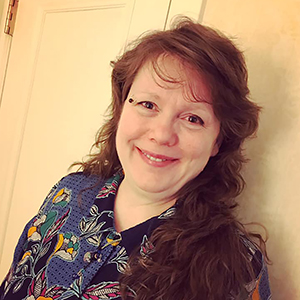
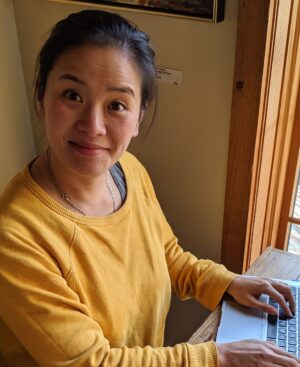
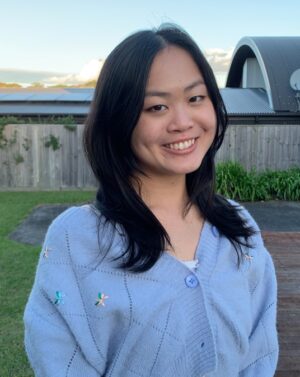
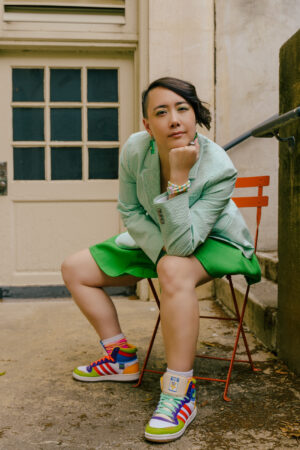
Women in Horror Month 2024: An Interview with Kathleen McFall
What inspired you to start writing? First off, thanks so much for having me! I’m excited and honored to participate. Now, on to the question. I have written, in one form or another since I was a child. Early on, reactions from my parents, brothers, friends, and others to my little stories, poems, and (often non-sensical) snippets emerging from that long-ago child’s mind meant the world to me. I think those young experiences set a foundation for a creative life. Decades on, I’m still inspired by reader reactions, driven by imagining someone somewhere anywhere in the world reading what I’ve written and being moved by my words, shaping their world if even just for a few short minutes. It is such a high.
What was it about the horror genre that drew you to it? Horror allows for the exploration of thorny human issues within defined genre boundaries. Readers know, to varying degrees, what to expect. This means they can relax into the proxy paradigm knowing on a primal level that none of this is real—the monsters, vampires, zombies, the creepy humans are just enough removed from reality that scary (or controversial) topics can be addressed in thoughtful, memorable ways./p>


This month on Holistic Horrors we take a brief look at the role of poetry in promoting well-being and connectiveness. Numerous studies suggest that this is the case. For example, in their 2018 study examining the value of writing poetry as a “means to help people living with chronic pain to explore and express their narratives in their own unique way”, researchers Hovey, Khayat, and Feig concluded that “to write cathartic poetry means bringing into presence our inner reflective thinking, emotions, and self-empathy to help ourselves and others who suffer alongside us.”