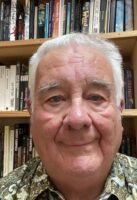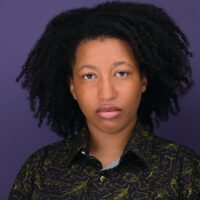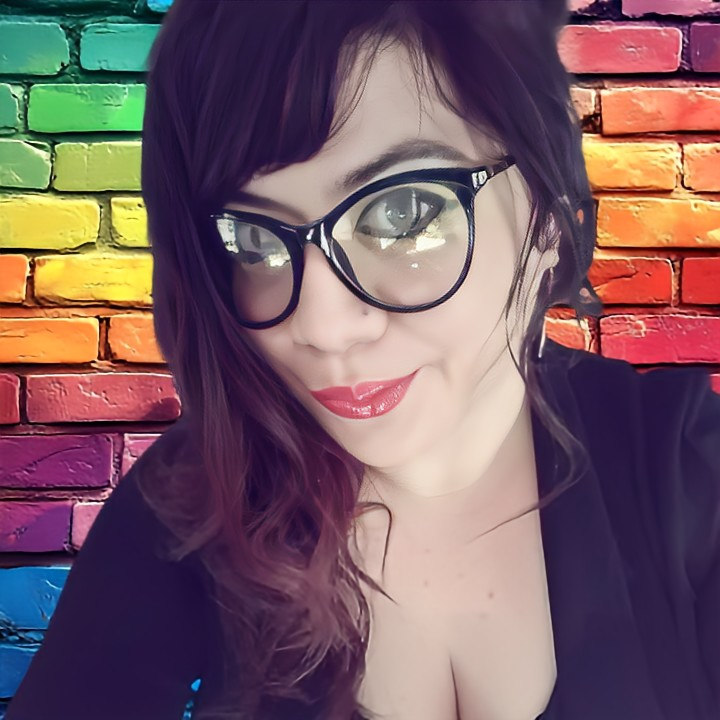


Did you have any specific books, television shows, or movies (horror, queer or otherwise) that were early influences on your writing?
When I began writing horror, I pulled from my love of slashers. There isn’t a specific film or book that influenced my work. Instead, it was more of a lifelong love affair with slashers. I wrote a short story based on my favorite concert venue and submitted it to a random publication on the internet. I was a little shocked after being accepted and thought I might keep at it. I can say that Hailey Piper is the reason I decided to really go for it. I read a post where she mentioned having a goal of 100 publications in 5 years and thought it sounded like the perfect way to really jump in. It’s Year 5 now and I’m at 92. Without Hailey’s post, I don’t know if I would be where I am today.
What was it about the horror genre that drew you to it?
Do you make a conscious effort to include LGBTQ material in your writing?
You know, I want to say yes.
Sometimes that’s true.
But, more often, I put a piece of myself into my characters (the good and the bad) and because I’m queer, they’re often a little queer too. When asked, I’ll say that I just like people and the term for that has changed over time. So, many of my characters also just indiscriminately like people too. I also write characters and stories that are a reflection of my own reality and that extends to the people around me, the situations we’ve faced, and does often include LGBTQ material.
I try to stick to what I know, though, and there are perspectives I don’t want to veer into because I don’t know if I could do them the justice they deserve.
What has writing horror taught you about the world and yourself?
I think all writing sort of holds up this mirror. I like to write horror to get my frustrations or emotions out in a way that feels both safe and productive. It’s therapeutic.
Just recently, I was reading over a draft for an anthology and noticed that I’d been writing stories about the same theme for months. I had to sit and think about that for a while. Why? What’s going on in my life? I think my subconscious leaks out onto the page and the stories sometimes scream back at me to pay attention and address things in my life.
I don’t think others would pull that out of my work, per say, but I can. So, I think writing horror shows me things about myself or helps me really nail down how I’m feeling about life.
How do you feel the LGBTQ+ community has been represented thus far in the genre, and what hopes do you have for representation in the genre going forward?
Who are some LGBTQ+ horror authors you recommend our audience check out?
- Gwendolyn Kiste
- Hailey Piper
- Steve Hugh Westenra
- John Wiswell
- Max Booth III
And to the LGBTQ+ writers out there who are just getting started, what advice would you give them?
Pour yourself into the writing and don’t hold back. If you wanted to read it and never had that opportunity, be the person who can provide that to new readers. Think about how you felt the first time you saw yourself in a character. How can you give that feeling to someone else?
Also, find a trustworthy writing buddy to be your sounding board. That has helped me so much these past few years. I need someone to tell me when I’ve got something special but I also need someone to tell me when I’m writing garbage.
Good luck and Write On!