
 By Tom Joyce —
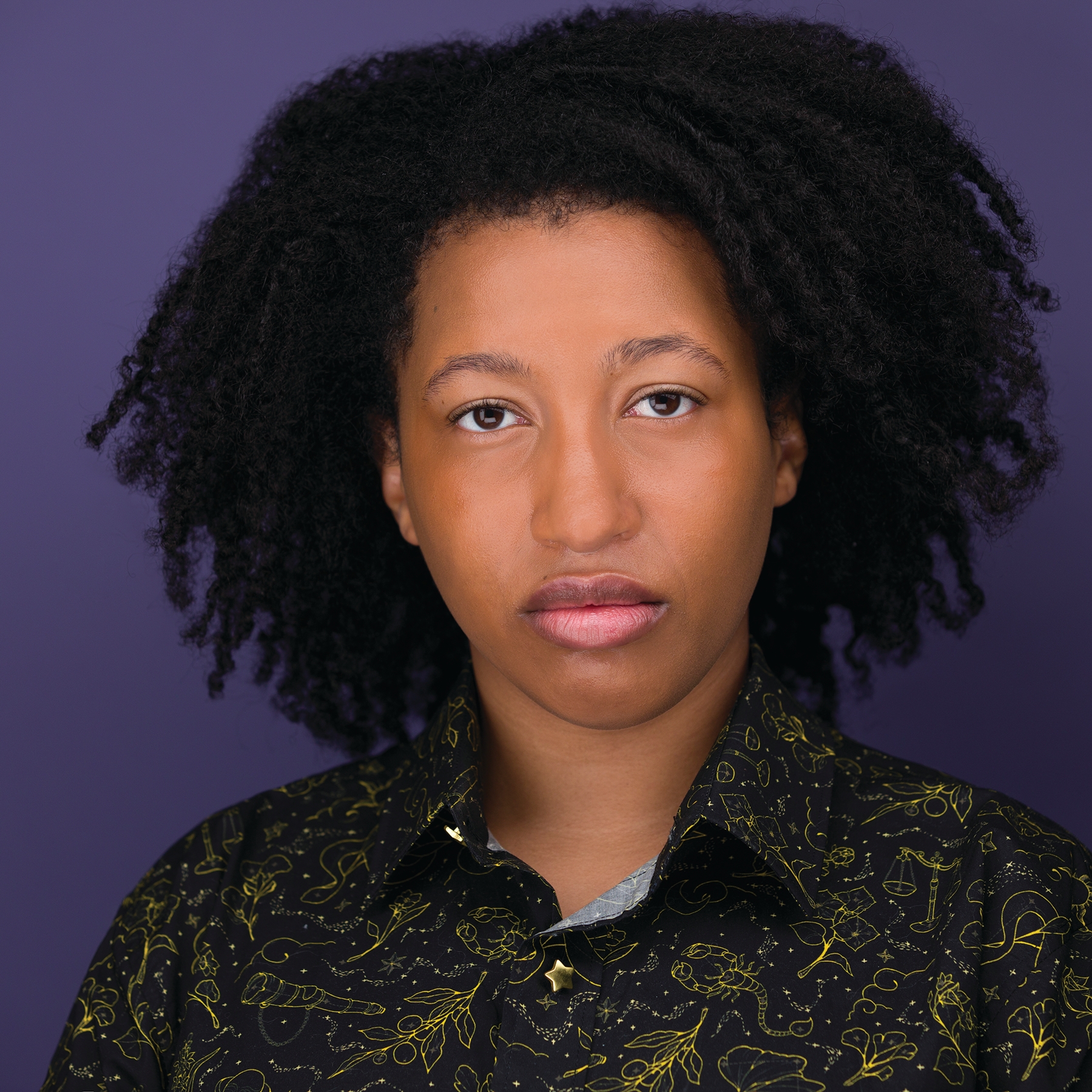
Vincent Tirado can cite a number of reasons why their fellow nonbinary and BIPOC writers should join in solidarity, but the most pressing is survival. They’re among the first writers to be targeted when book bans come along, so fighting back is a matter of necessity. In this month’s edition of Nuts & Bolts, Vincent shares advice for other BIPOC and nonbinary writers looking to find a community and a readership, gives tips on what to do – and not to do — before a book launch, and discusses writing techniques from their new horror novel “You Should Have Been Nicer to My Mom.”
Q: CAN YOU OFFER ANY ADVICE ABOUT THE PUBLISHING BUSINESS OR FINDING A READERSHIP THAT YOU THINK WOULD BE PARTICULARLY VALUABLE TO OTHER NON-BINARY AND BIPOC WRITERS? ANY RESOURCES SUCH AS ORGANIZATIONS OR INFORMATION SOURCES TO RECOMMEND?
A: Start or join a book club (I recommend checking your local library.) Find other authors near you that you can have brunch with. You will be surprised who you find yourself in community with if you only take a look. When it comes to finding a readership, I think comp titles help a lot. The average person may not have the time to read a paragraph synopsis but being told your story is like if COURAGE THE COWARDLY DOG meets HELL HOUSE LLC is a hell of a way to establish tone fast and hook people even faster. This will help you find readers who already really like Hell House LLC or know of Courage the Cowardly Dog—but it doesn’t help you find readers who probably don’t know what either of those are, so it can be hit or miss.
Aside from that, please consider joining Authors Against Book Bans. It is a coalition of writers, editors, artists, and other book creators that seek to work to fight any book bans that are slowly moving throughout the country. The reason to join is obvious—as nonbinary writers of color, we’re among the first to have our books targeted. In situations like this, it’s important to be proactive and not reactive. Even if you can’t get heavily involved, you should at least stay informed.
Q: CAN YOU GIVE US A BRIEF TIMELINE OF WHAT YOU HAVE TO DO IN THE LEADUP TO A BOOK’S RELEASE?
A: About three to four months ahead of a book’s release, I started organizing a two-month-long book tour. I called/emailed independent bookstores to create possible book events, whether or not it was a book signing, a launch party or a conversation with another author. During that time, my publicist also kept me abreast of marketing opportunities, including writing articles for online magazines or interviews. What I think was just as important as the lead-up was the use of my social media to reach potential readers. At least once or twice a week, I posted about the importance of preorders and pitched the novel to people who may have never heard of me. And in doing so, I’ve met people during my book’s release that found me through those promotional videos.
Q: IS THERE ANYTHING YOU SHOULD AVOID DURING THAT TIME?
A: Starting a new book project, for sure! Granted, I was finishing up a new manuscript while organizing the book tour, but the closer I got to the release, the more my mindset shifted to promoting my latest novel. I’m not someone who can have too much going on at once so I try not to work on anything new while something else is coming out.
Q: HOW DO YOU HANDLE GROUP DYNAMICS IN A NARRATIVE SUCH AS “YOU SHOULD HAVE BEEN NICER TO MY MOM,” WHERE CHARACTERS INTERACT IN A CONFINED SETTING?
A: Group dynamics stem from each character’s personality and their history with each other. It wasn’t so difficult to know what their dynamic would be once I had a good idea of what kind relationships they would have and in a confined setting, it actually becomes more fun because the characters are forced to interact with each other!
Q: WHAT TIPS DO YOU HAVE ABOUT WRITING SLOW-BURN HORROR?
A: Be mindful of your breathing and the pace you’re reading. I find that when I am slowly ramping up the horror, my breathing becomes constrained, like I am slowly running out of oxygen — and at the same time, my eyes linger on each word, as if I’m hoping the next will not lead to ruin. Slow-burn horror should feel like you’re being deeply cautious because not everything is as it seems. Yet by the time you find out what it is — it’s too late.
Q: DO YOU HAVE ANY PROJECTS YOU’D LIKE HWA MEMBERS TO KNOW ABOUT?
A: I’m currently working on a horror audio drama about four missing teens and the legend of a ghost bus. We’re still in pre-production but I’m looking forward to having something to show for it by September!
Q: WHERE CAN PEOPLE FOLLOW YOU ONLINE?
A: People can find me on Instagram and threads at v_e_tirado or bluesky at v-e-tirado. I also have a newsletter at buttondown.email/vetirado.
 |
VINCENT TIRADOVincent Tirado is a nonbinary Afro-Dominican Bronx native. They ventured out to Pennsylvania and Ohio to get their bachelor’s degree in biology and master’s degree in bioethics. Their debut YA novel, “Burn Down, Rise Up,” was the 2022 winner of the Pura Belpré Award and a finalist for the 2022 Stoker Awards and 2023 Lammy Awards. Their sophomore YA novel was “We Don’t Swim Here,” and their debut adult novel was “We Came to Welcome You.”
|
Tom Joyce is a volunteer and affiliate member who writes a monthly feature for the HWA blog called “Nuts & Bolts,” featuring interviews about the craft and business of writing. Please contact him at TomJHWA@gmail.com if you have suggestions for future interviews.