


 By Tom Joyce —
Horror is very popular among public library patrons these days, according to librarian Konrad Stump. And the HWA’s Summer Scares program exists so both librarians and horror authors can take full advantage of that fact.
Konrad, co-chair of the HWA’s Library Committee along with Becky Spratford, talks about the Summer Scares program in this month’s edition of Nuts & Bolts, and how HWA members can participate.
Q: What is the Summer Scares program? And why is it of interest to horror writers whose titles aren’t on the recommended list?
A: Summer Scares is the Horror Writers Association’s annual summer reading program in partnership with Book Riot, Booklist, NoveList, and iREAD. The program provides a list of recommended titles—three Adult, three Young Adult, three Middle Grade—that librarians can confidently use to have discussions with their community members about the horror genre, whether this be through book displays, book discussion groups, programs and events, or even through one-on-one conversations about books. The committee, led by myself and Becky, consists of experts from various sectors of the library profession and an annual author spokesperson.
Engaging communities with the horror genre benefits everyone invested in the genre. The more we have discussions about the genre, the more librarians build their comfort and familiarity with the horror genre and horror authors, the more that libraries invest in horror-related programs and initiatives, then the broader the impact of the horror genre becomes and the more opportunities are created for authors and publishers to connect with readers.
Q: Can you tell us a little about the HWA Library Committee and what it does?
A: Horror Writers Association (HWA) Libraries engages communities with the horror genre through library collections and programs to create vibrant, thriving, and collaborative horror spaces. While Summer Scares is our largest initiative, we work with the library and publishing communities year-round to make connections and develop events and initiatives. Annually at StokerCon, we host Librarians’ Day, a full day of continuing education that is geared toward librarians but engages the entire horror community—librarians, booksellers, authors, publishers, podcasters, event planners, and other content creators — with the goal of demonstrating how all sectors of the horror ecosystem can work together to amplify the impact the genre can have in communities. We also coordinate the HWA’s “Young Adults Write Now” scholarship, which provides $250 to five libraries annually to develop or support teen writing programs in libraries.
Q: What considerations go into compiling the Summer Scares list?
A: We keep a lot of factors in mind when discussing titles for inclusion in Summer Scares. Each year, we look at titles that are between two and ten years old because we want to ensure that libraries have access to copies. We are committed to diversity and inclusion, so we ensure that we have a balanced gender ratio and at least 30% diverse voices. Those are benchmarks we often exceed, but those are the baseline. We want to make sure we have a range of scare levels because we believe there is something in horror for every reader; we work to include larger and smaller publishers; and, we work to balance authors at varying points in their careers. Additionally, since iREAD is one of our partners, we choose one title in each age group that fits the annual iREAD theme.
Q: What are some practical ways that HWA members can engage with their local libraries for Summer Scares? And what are the benefits of doing so?
A: Each year, HWA Libraries produces a Summer Scares Programming Guide, which is essentially a toolkit for libraries to use to develop book displays, book clubs, programs, and entire program series. The guide includes a book discussion guide and four sample programs for each selected title. Many of these programs are writing workshops, topic discussions, programs that explore local lore and legends, or film screenings with commentary. None of those require the selected book’s author, but they are programs authors can work with their local library to develop.
We always tell authors: “If you want to work with your library, then you need to be a good library patron.” That means using the library, going to events, booking space for a signing. If your library is familiar with you, they will likely be more interested in working with you. Share the Summer Scares Programming Guide with them. Offer to co-lead a horror book club. Offer to lead a workshop. Work to engage them with your area HWA chapter to host a local author panel and signing. You won’t know unless you ask. But HWA Libraries is here to help authors navigate those discussions, so please reach out.
Q: How popular is horror in public libraries these days?
Horror is extremely popular in public libraries these days. More and more libraries are establishing and expanding horror sections. HWA Libraries just received an email from a library in New Hampshire establishing a horror section and interested in launching associated programming initiatives. More horror authors are hitting the New York Times and USA Today bestsellers lists, which translates to higher library checkouts and more collection budget investment in horror. More libraries are releasing annual Best Horror lists. And, each year, we hear from more and more libraries implementing Summer Scares at their library, including the New York Public Library this year.
Q: As a librarian, can you recommend any strategies or information sources for horror authors looking to expand their readership?
A: The greatest hurdle to expansion of readership is distribution. The vast majority of libraries order from a distributor like Ingram instead of through individual authors or small press websites. Speak with your publisher about distribution for their titles.
Professional reviews, for many libraries, influence acquisitions. Make sure your publisher is submitting galleys to trade journals for review. Different publications will have different submission timelines, but generally six months in advance of publication is best for e-galleys or physical galleys to be accessible to reviewers.
Social media and in-person networking are, for better or worse, an integral part of getting books into libraries and before readers. Follow librarians and libraries on social media. Engage with them. Connect with your state library organization and go to your state library conference. Attend StokerCon Librarians’ Day. A librarian who is aware of an author’s work and has interacted with them is more likely to make a point of acquiring that author’s work if their library’s policies and budget accommodate it.
Q: WHERE CAN PEOPLE FOLLOW YOU ONLINE?
A: The best way to connect with HWA Libraries is by emailing libraries@horror.org. That will reach Becky and me, the co-chairs. HWA members can follow Summer Scares on Instagram @summerscares and on Bluesky @summerscares.bsky.social. They can follow me on Instagram @konradmstump. And, they can follow Becky Spratford by visiting raforallhorror.blogspot.com and subscribing to her blog.
Q: Do you have any projects you’d like HWA members to know about?
HWA Libraries is launching a quarterly newsletter this fall. This is a great way for authors, publishers, and HWA chapters to stay connected with the work libraries across the country are doing to engage their community with the genre, as well as a space to find inspiration for ways to work with their libraries. If you’d like to sign up, please email libraries@horror.org.
Learn more about Summer Scares here:
https://raforallhorror.blogspot.com/p/summer-scares.html
 |
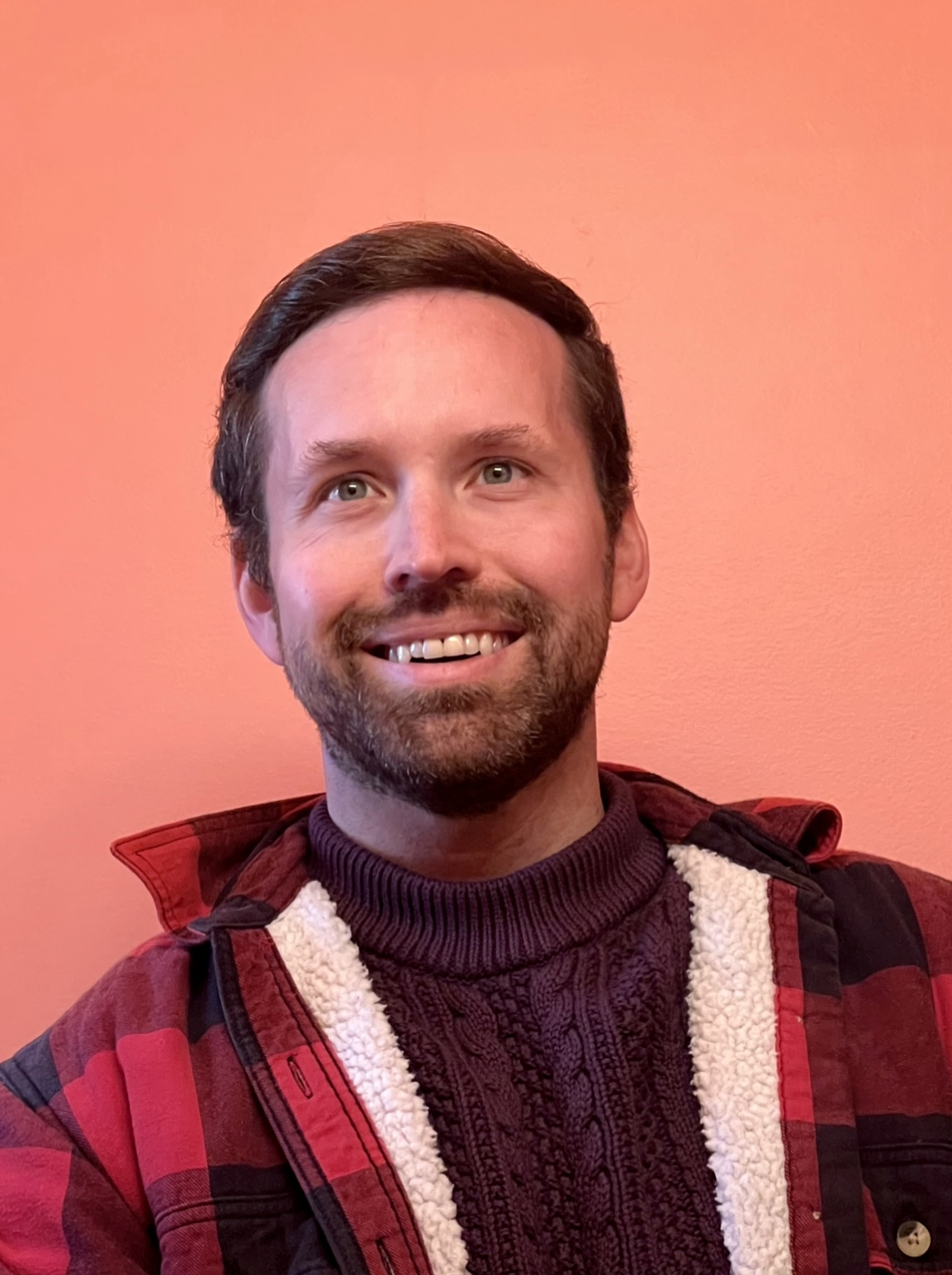
KONRAD STUMPKonrad Stump co-chairs HWA Libraries, including the Horror Writers Association’s summer reading program Summer Scares, and StokerCon Librarians’ Day, a full day of continuing education that connects authors and librarians and provides both with the necessary tools to engage communities with the horror genre. He also coordinates the Springfield-Greene County (MO) Library’s long-running Oh, the Horror! series, an annual celebration of the horror genre. His work has appeared in Library Journal, NoveList, Booklist, Library Trends, and has been featured in Book Club Reboot: 71 Creative Twists (ALA) and The Readers’ Advisory Guide to Horror, third edition (ALA).
|
Tom Joyce is a volunteer and affiliate member who writes a monthly feature for the HWA blog called “Nuts & Bolts,” featuring interviews about the craft and business of writing. Please contact him at TomJHWA@gmail.com if you have suggestions for future interviews.